Skills
COMPUTER SKILLS
Microsoft Office Programs: Word, Excel, Powerpoint, Outlook;
SPSS (PASW Statistics 18)
TECHNICAL SKILLS
Flow Cytometry/FACS (FITC/Annexin V)
DNA/RNA Isolation (from cells and blood)
Cell Culture Techniques (e.g., Cytotoxicity, Western blotting, ELISA)
Cell Isolation (Ex Vivo 3D spheroid culture)
Microscopy (Inverted, confocal, fluorescence and live-cell imaging)
Real Time-qPCR (Gene Expression)
Cell Culture (Healthy and cancer cell lines)
Statistical Analysis (SPSS and GraphPad Prism
About
I am Hülya Çınar. I hold my bachelor’s degree in molecular biology and genetics from Burdur Mehmet Akif Ersoy University in 2021. Following that, I hold my master’s degree in Institute of Health Sciences Department of Medical Biology from Ege University, in 2024.
During my master's, I focused primarily on cancer biology, particularly hematological malignancies like chronic myeloid leukemia, immunology, combination therapies, mechanisms of resistance, gene expression, and oncogenic signaling pathways such as JAK-STAT.
During my master’s, I worked as a researcher and scholarship on 4 different projects. I conducted both in vitro and ex vivo studies on these projects.
I worked with Tyrosine Kinase Inhibitor-Resistant and sensitive Chronic Myeloid Leukemia, hematopoietic stem cells, CD34+ cells, Triple Negative Breast Cancer, Buccal Mucosa-Derived Carcinoma cell, and Ovarian Cancer cell lines.
In these projects, I had the opportunity to use CRISPR/Cas9 genome editing technology, as well as combination approaches involving epigenetic agents, adjuvant immunotherapy, Metal Organic Framework Delivery System, Novel Synthetic Cannabinoids, also natural cannabinoid THC, and methamphetamine.
During this process, I participated in various national and international congresses and gave 4 oral presentations and 2 poster presentations. There, I presented my master's thesis and the results of the projects I was involved in.
I want to pursue a PhD because I am genuinely motivated by understanding how the immune system works at the molecular level and how research can contribute to improving human health.
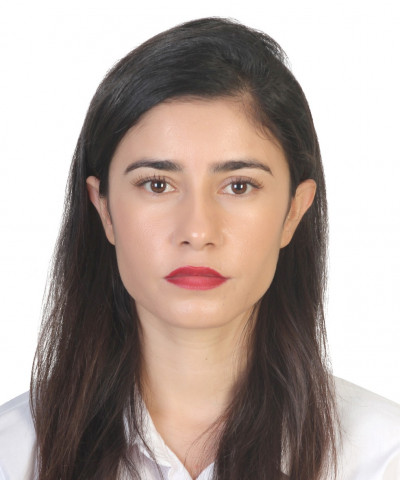
Profile Photo
